
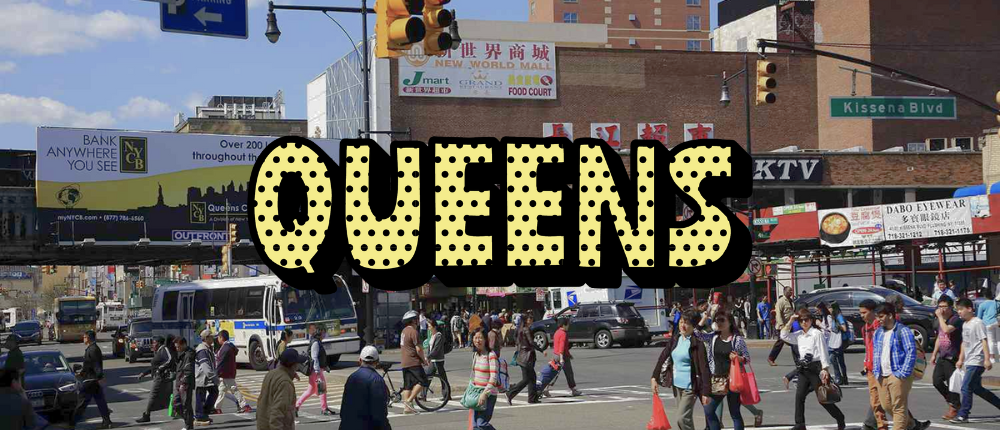
The borough's proximity to Manhattan and relatively affordable housing stock attracted working-class families and immigrants seeking economic opportunities and cultural diversity. However, beginning in the late 20th century, Queens witnessed increasing gentrification pressures, driven by factors such as rising property values, infrastructure improvements, and shifts in urban planning strategies. Neighborhoods like Long Island City, Astoria, and Jackson Heights have emerged as focal points of gentrification, experiencing transformations characterized by the influx of younger, wealthier residents, the development of luxury housing, and the proliferation of trendy shops and eateries.
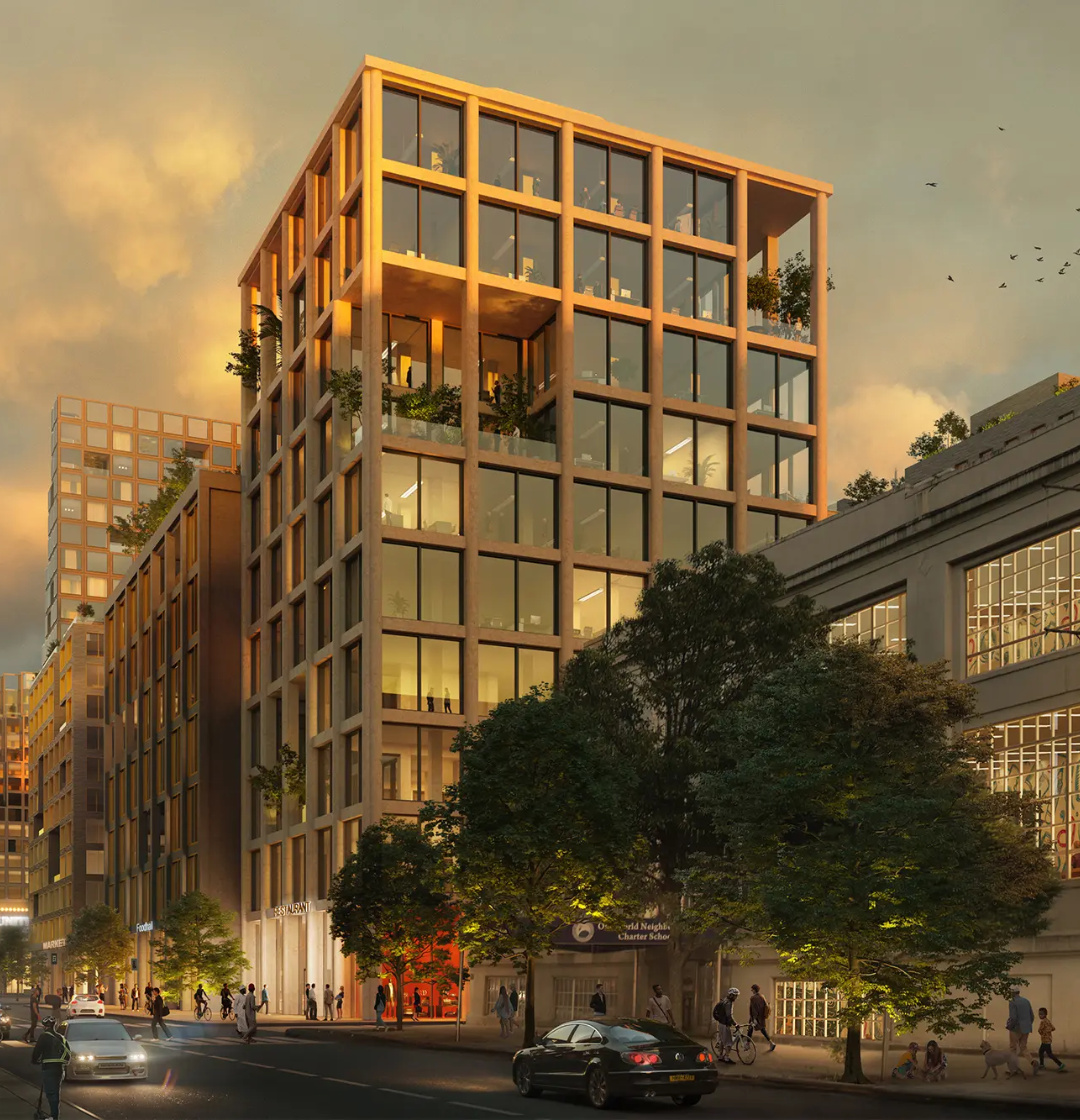
Gentrification has led to substantial increases in property values across Queens. For example, median home sale prices in Long Island City have more than doubled over the past decade, rising from around $500,000 in 2010 to over $1.2 million in 2020, according to data from the New York City Department of Finance. Similarly, in Astoria, median home sale prices have increased from approximately $450,000 in 2010 to over $900,000 in 2020, reflecting a similar trend of rapid appreciation due to gentrification pressures.
Gentrification has driven significant commercial development in Queens, particularly in neighborhoods like Long Island City and Astoria. According to the New York City Economic Development Corporation, the number of new businesses opening in Long Island City has surged in recent years, with over 3,000 new businesses established between 2010 and 2020. Similarly, in Astoria, the number of new businesses has grown by over 25% during the same period, reflecting the neighborhood's attractiveness to entrepreneurs and investors amidst gentrification.
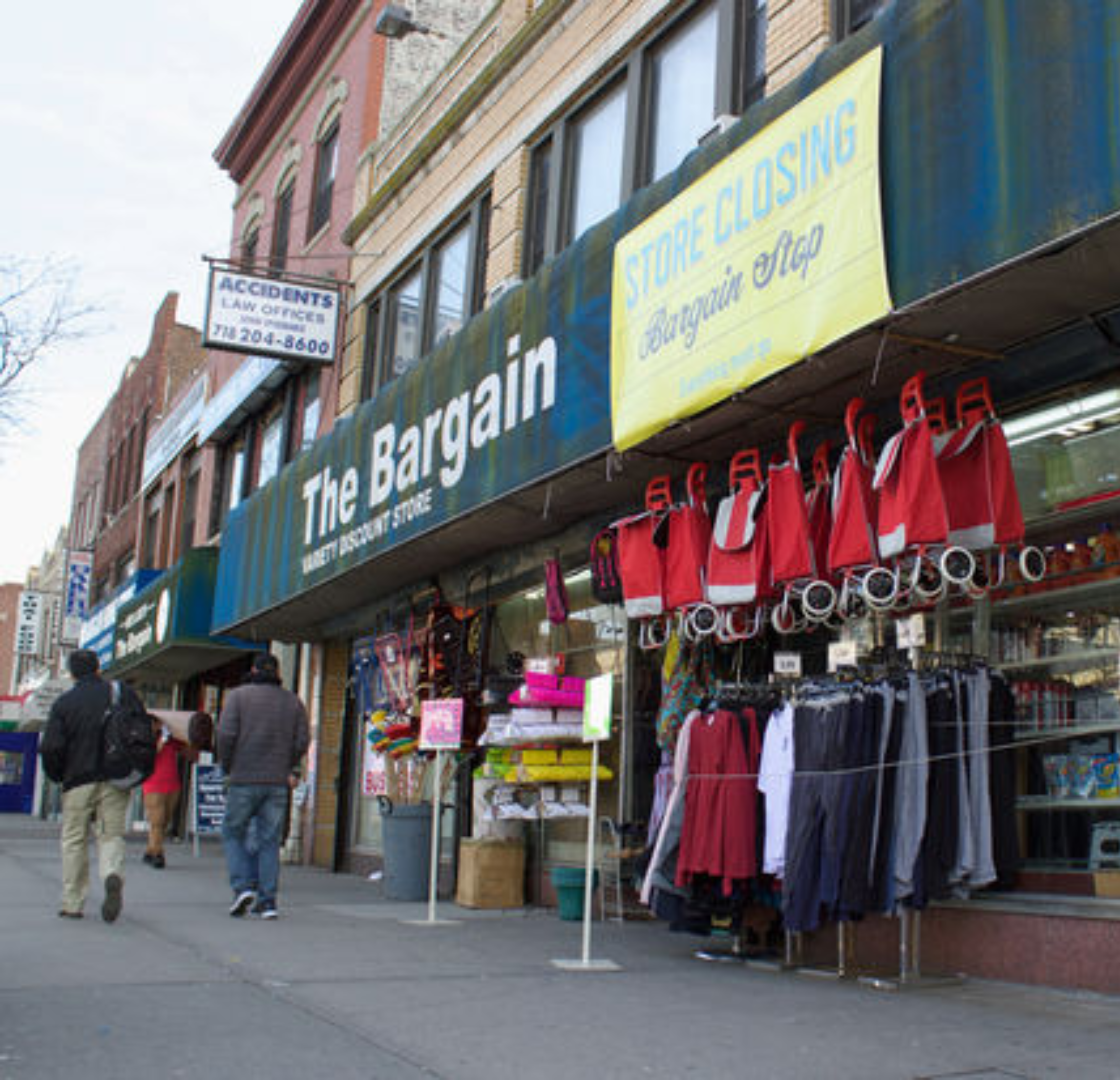
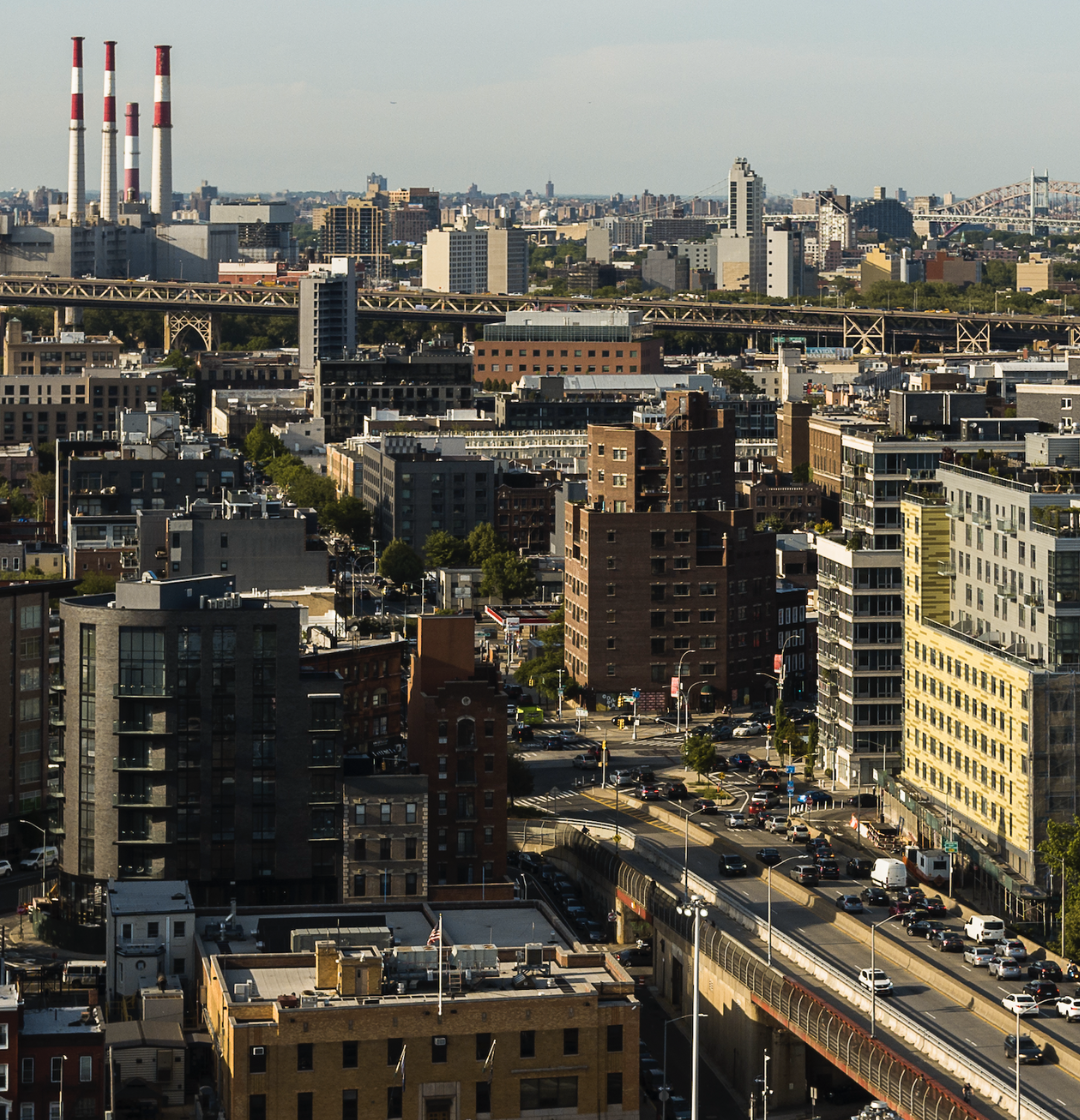
Gentrification has resulted in sharp increases in rental prices throughout Queens. Data from rental platforms such as StreetEasy and Zillow indicate that median rents in Long Island City have risen by over 50% since 2010, reaching approximately $3,000 per month for a one-bedroom apartment in 2020. Similarly, in Astoria, median rents have increased by nearly 40% over the past decade, with one-bedroom apartments renting for around $2,500 per month on average in 2020. These rising rents pose challenges for many residents, particularly low and moderate-income households, who may struggle to afford housing amidst gentrification pressures in Queens.
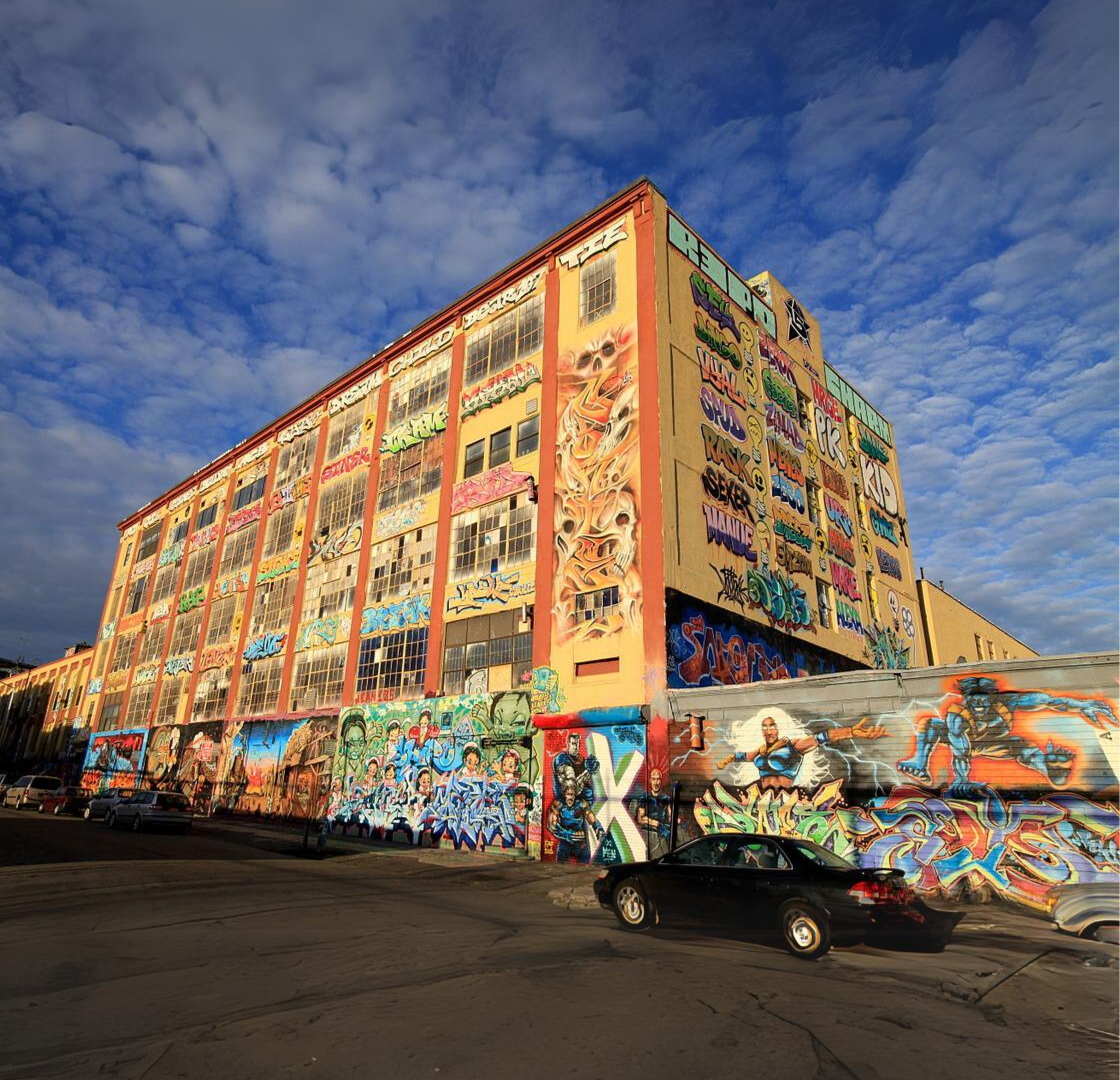
5 Pointz, also known as the "Graffiti Mecca," was a renowned outdoor street art space located in Long Island City, Queens. For decades, it served as a hub for graffiti artists from around the world to showcase their work legally on the building's walls. However, in 2013, the iconic 5 Pointz building was whitewashed and ultimately demolished to make way for luxury condominiums. The loss of 5 Pointz was deeply felt by the graffiti and street art community, sparking protests and debates about the erasure of cultural landmarks amidst gentrification in Queens.
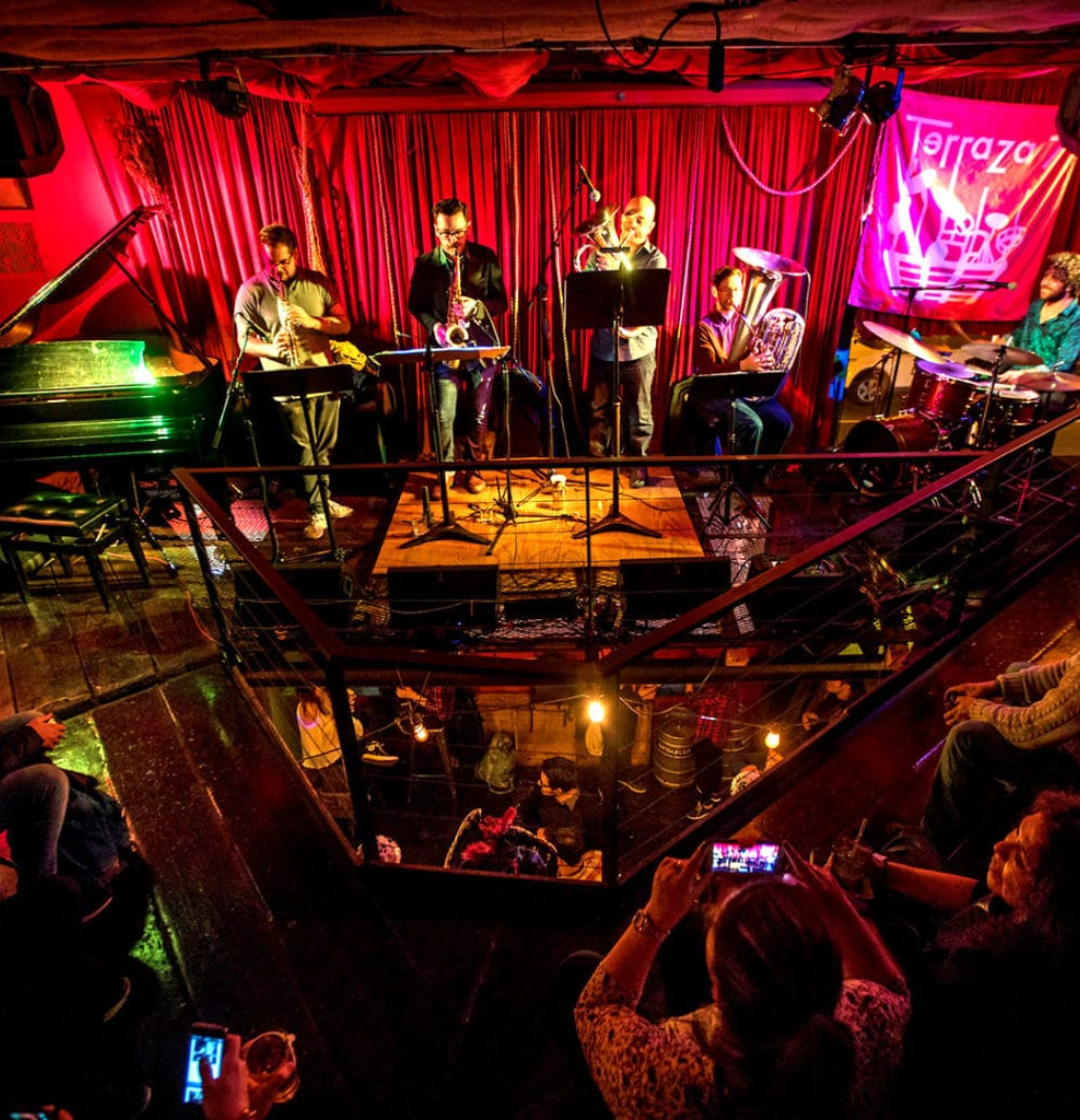
Terraza 7 is a beloved cultural venue and music space located in the heart of Jackson Heights, Queens. For years, it has hosted live music performances, art exhibitions, and community events, serving as a gathering place for residents and artists from diverse backgrounds. However, Terraza 7 faced threats of closure in 2019 due to rising rents and pressures from redevelopment in the area. While efforts were made to save the venue through community activism and fundraising campaigns, it ultimately closed its doors in 2020, marking another loss for Queens' cultural landscape amidst gentrification.
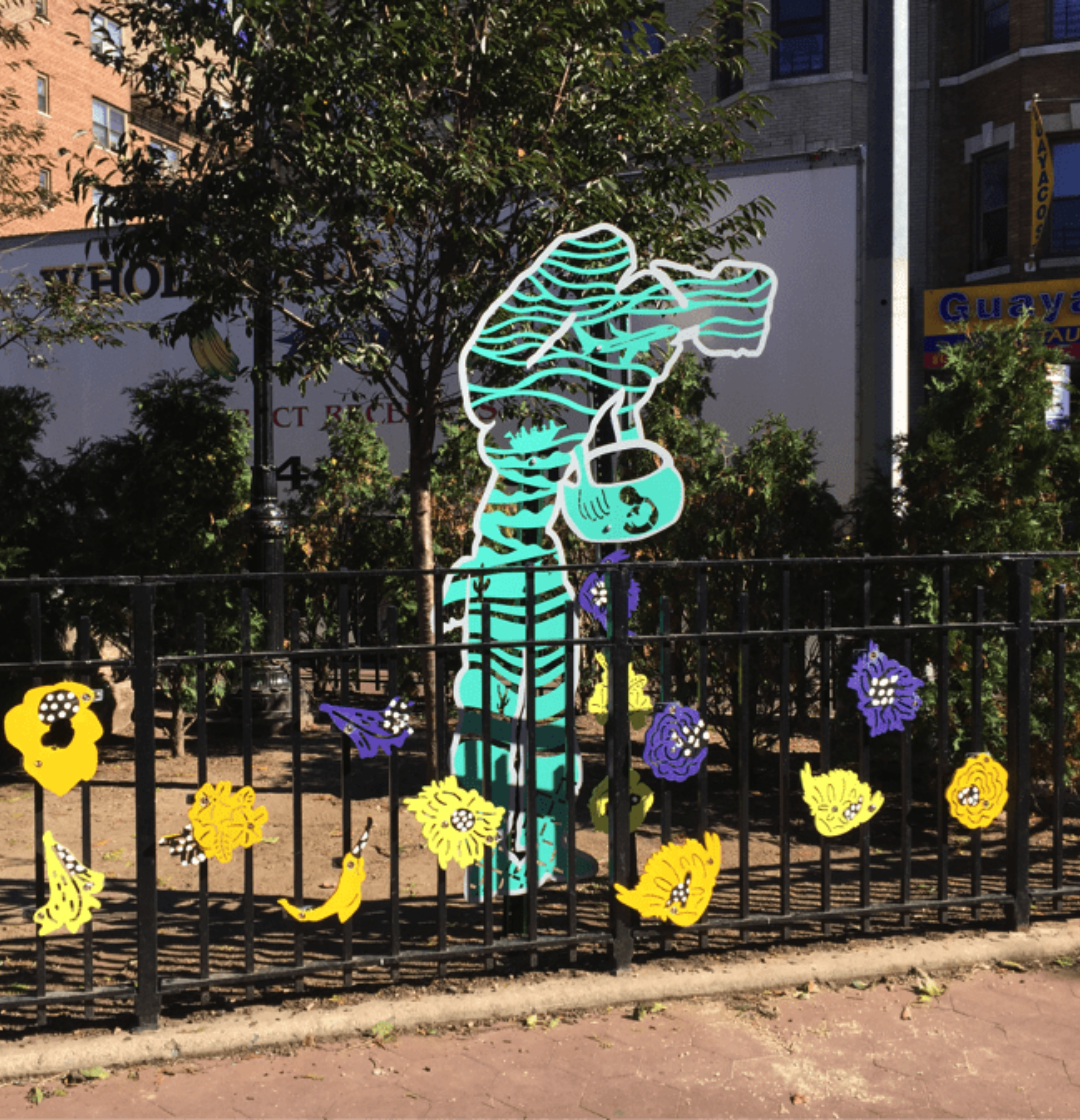
The Dunningham Triangle Mural, located in Jamaica, Queens, was a vibrant community art project that celebrated the neighborhood's history and cultural diversity. The mural, created by local artists and community members, depicted scenes of everyday life, landmarks, and cultural icons significant to the area. However, in 2018, the mural was removed as part of a beautification project funded by the city and local developers. While the project aimed to improve the appearance of the neighborhood, the removal of the Dunningham Triangle Mural sparked controversy and protests from residents and artists who saw it as a symbol of gentrification erasing the cultural heritage of the community.
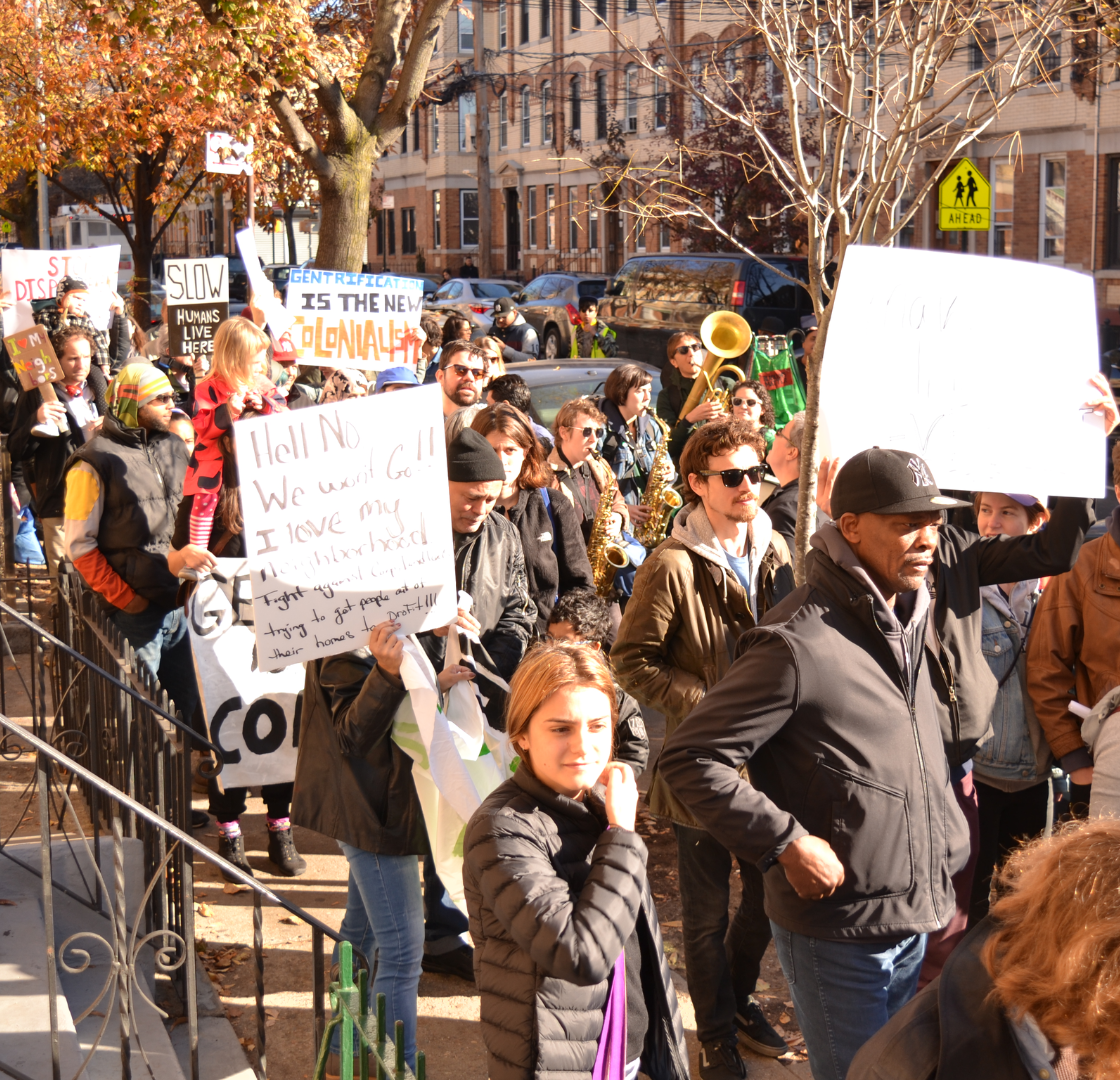
The Queens Anti-Gentrification Project is a grassroots organization dedicated to fighting against displacement and gentrification in Queens. QAGP organizes community meetings, protests, and campaigns to raise awareness about the impacts of gentrification on long-time residents and small businesses. They advocate for policies that prioritize affordable housing, tenant protections, and community control over development decisions. QAGP also provides resources and support to residents facing eviction or harassment due to gentrification pressures.
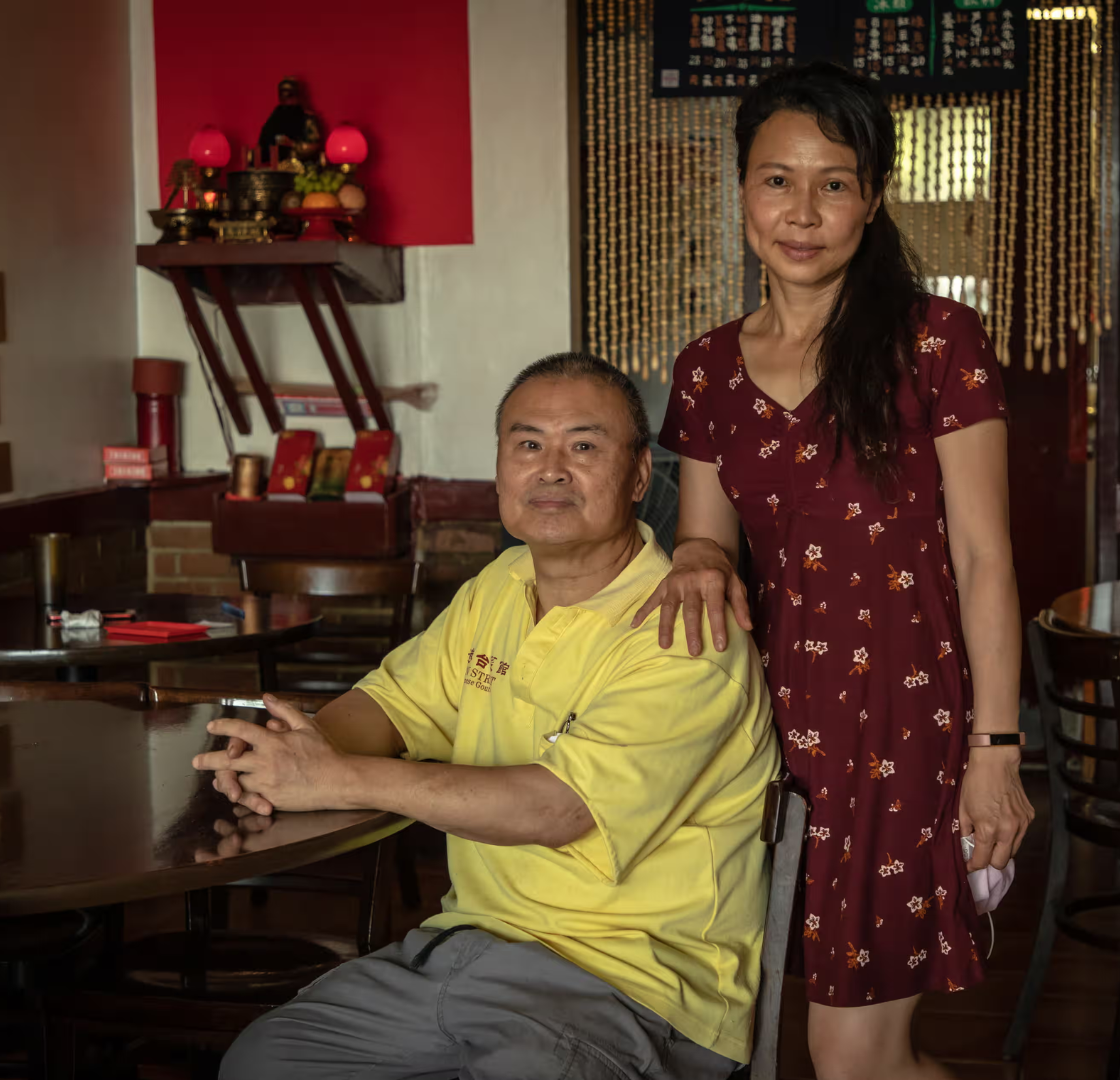
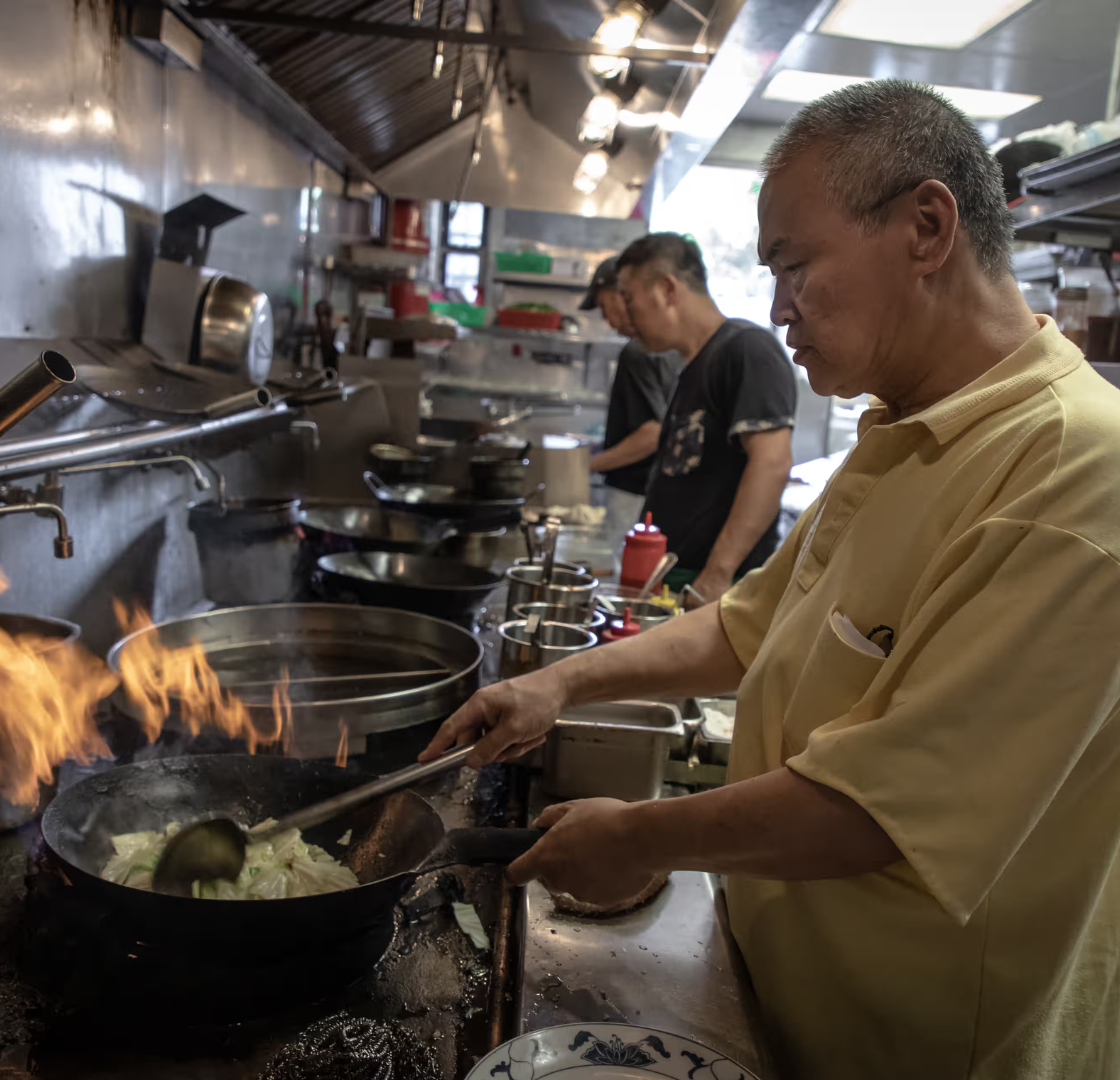
Established in 1999, is a cherished restaurant in the neighborhood. Chef Tom Lin, its founder, immigrated from Taiwan over 40 years ago. He is known for serving traditional Taiwanese dishes like "three-cup chicken," a flavorful dish made with soy sauce, rice wine, and sesame oil. Chef Lin, who dreams of hosting a food show if fluent in English, is particular about using authentic Taiwanese ingredients, like Kim Ve Wong soy sauce. His wife, Annie, manages finances and operations, expressing concerns about the skyrocketing rental and mortgage prices in the area, which have forced many similar businesses to close.
To cope with rising costs, Chef Lin extended his work hours, which took a toll on his health and family life, with his son Justin recalling leaving notes urging him to take care. However, they managed to secure their restaurant's future by purchasing the property and the adjacent space eight years ago, ensuring stability amidst the challenges of gentrification.